

Two Roads for the Literary Critical Elite: An Essay on the State of Criticism Today

The idea that literary criticism is not merely a secondary reflection about literature but an autonomous form of intellectual and aesthetic production has deep roots in Western thought dating back at least to the Enlightenment. Alexander Pope’s “An Essay on Criticism,” published in 1711, marks a pivotal moment in this history, treating criticism not only as an evaluative practice but as a public and philosophical engagement with literature. Periodically since then we’ve been told — unsurprisingly, mostly by critics — that we’re living in a “golden age” of criticism.
Stalking the Trillion-Footed Digital Beast: On Udith Dematagoda’s Agonist

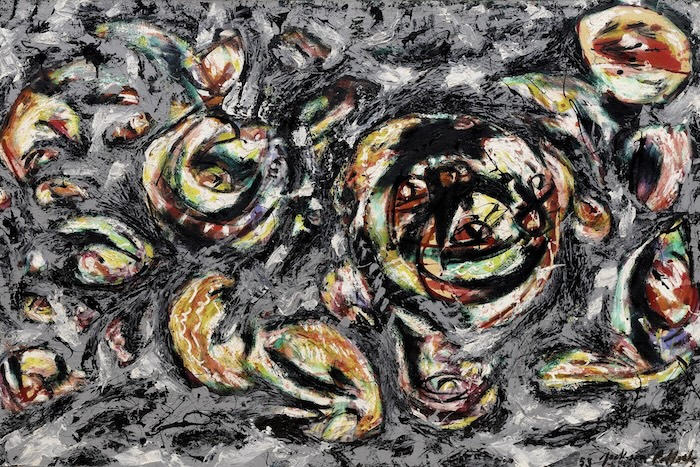
Whatever your feelings about the internet and its tortuous torrential stream of information, misinformation, fragments of dialogue, rants, advertisements, etc., it is, for better or worse — good or evil — totalizing in its effects, and here to stay. Social media, as part of the online ecosystem, has made its own insidious specific contributions as part of this “world wide web” (as the internet used to be called) and users have no qualms about exposing their lives online. Tens of millions of people panic about how to share their “hot takes” or transform their little acts of daily living, no matter how banal, into posts, and then sit and desperately wait for approval, counting the “likes” they receive to tally up their sense of self-worth.